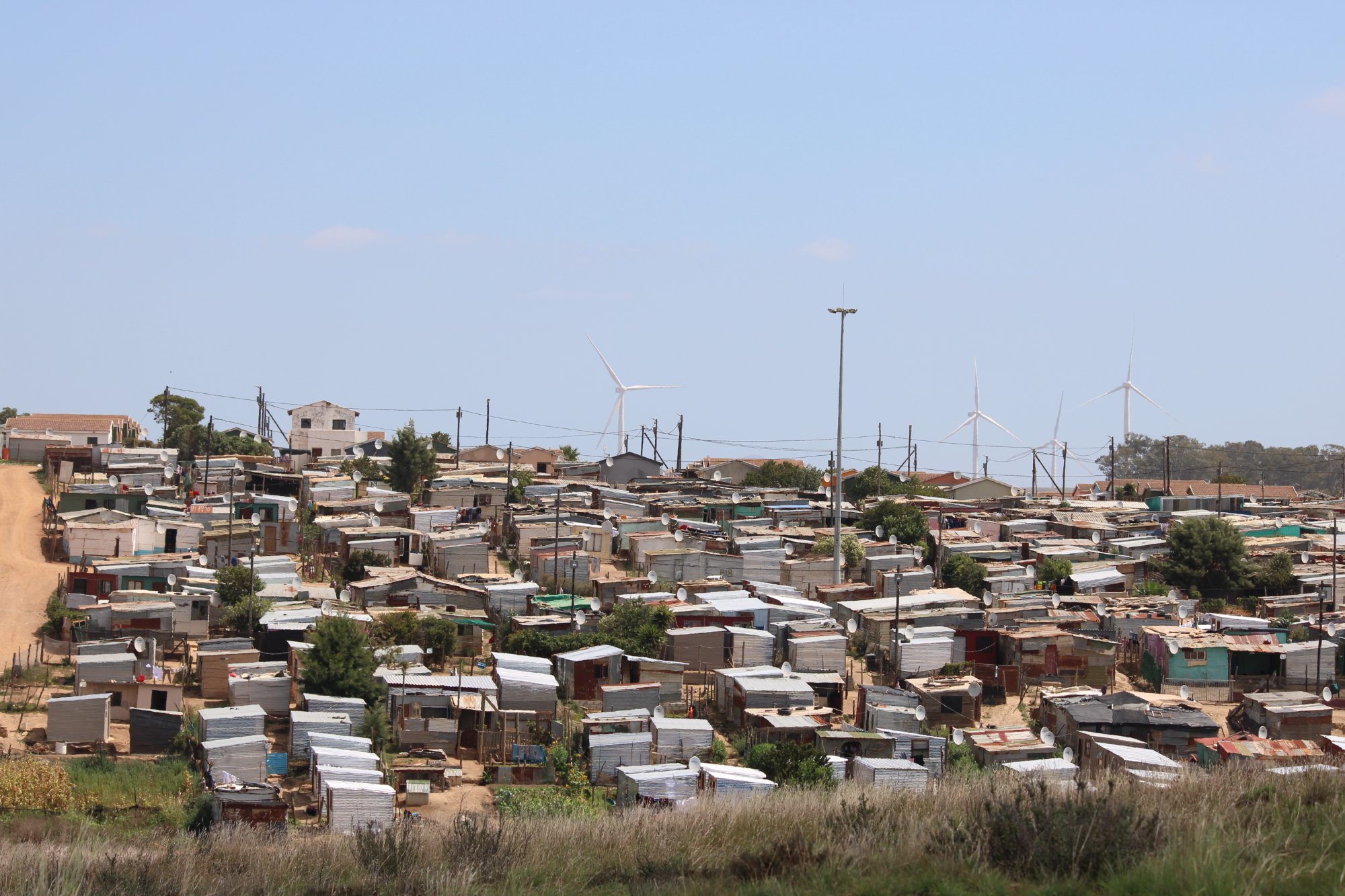
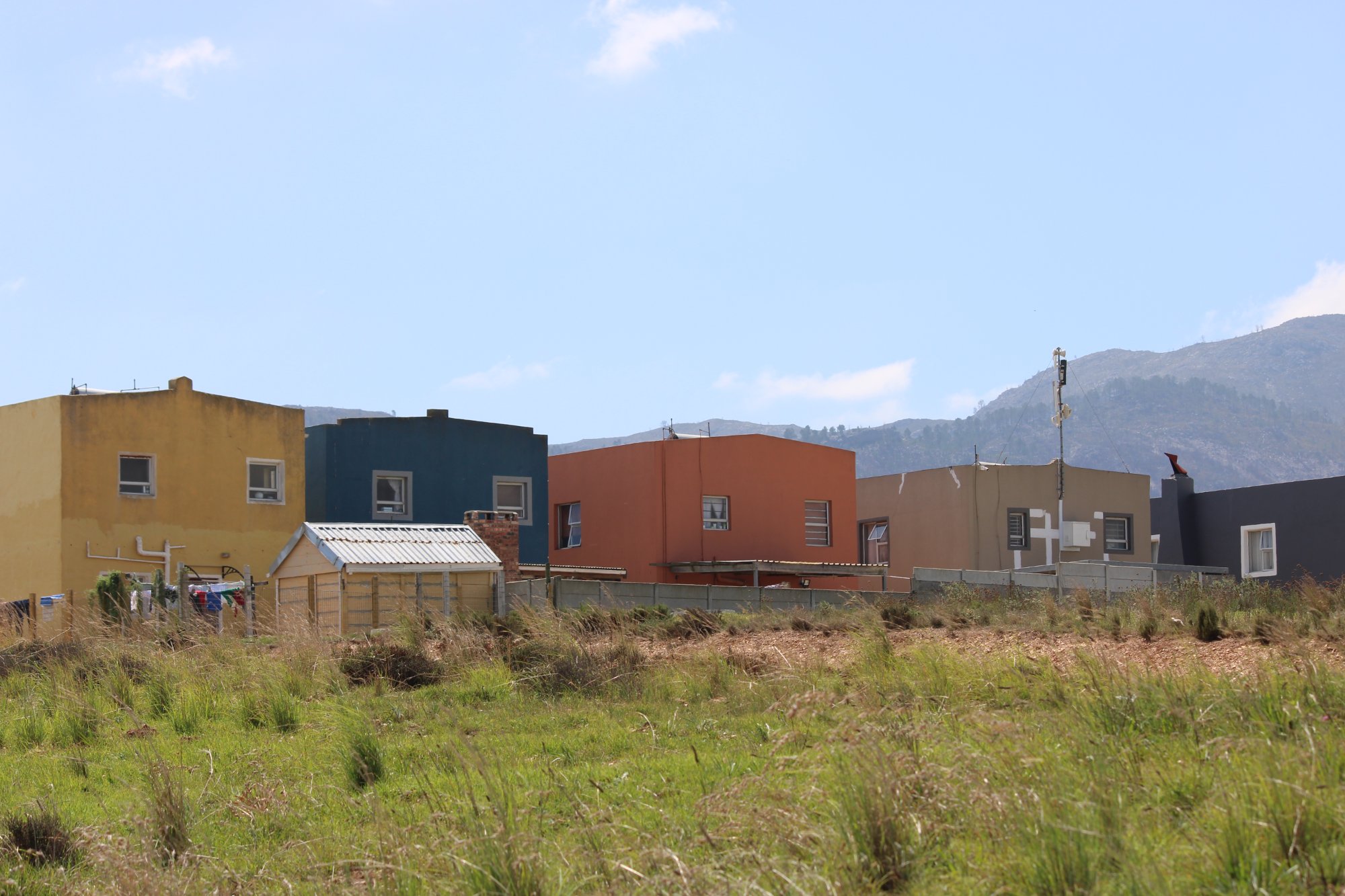
Agricultural livelihood development rooted in the realities of rural South Africa
People do not need to be rescued; they need to be included.
Agriculture, livelihoods, and environment — strengthened through practical, accountable programme delivery.
GHI is a consultancy working across agriculture, rural development, and public employment. We design and support programmes that build capability, expand opportunity, and strengthen the systems that sustain rural communities.
Agriculture
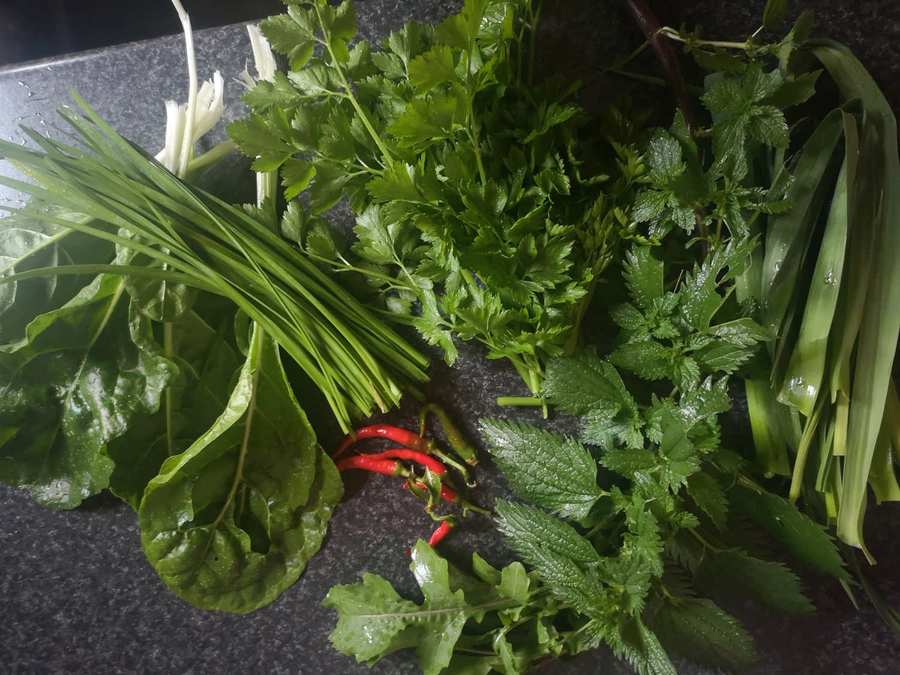
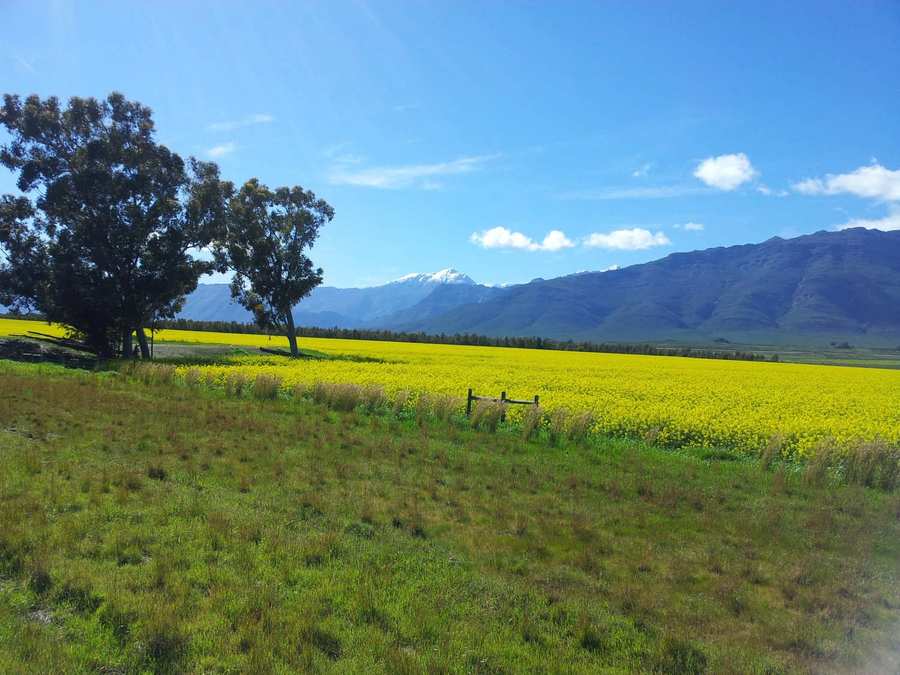
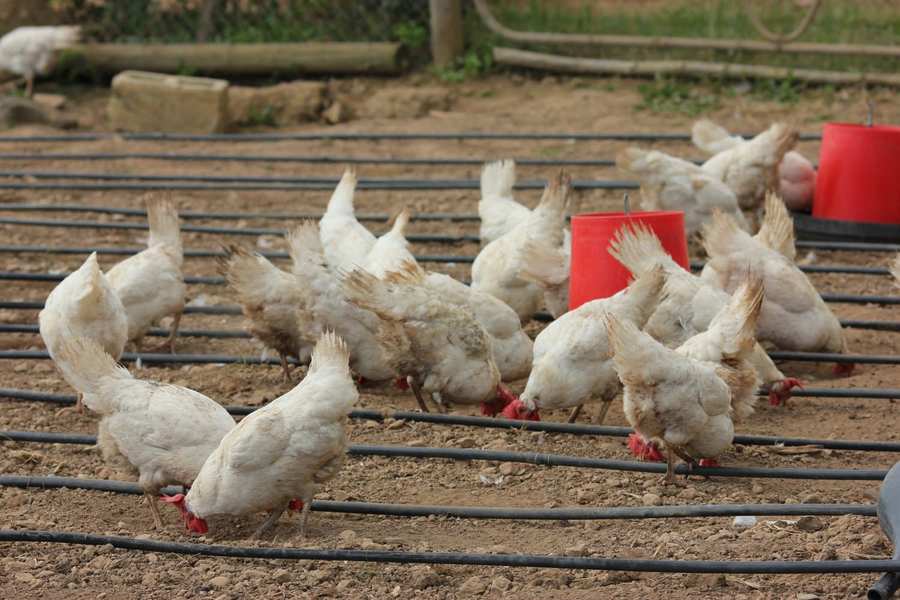
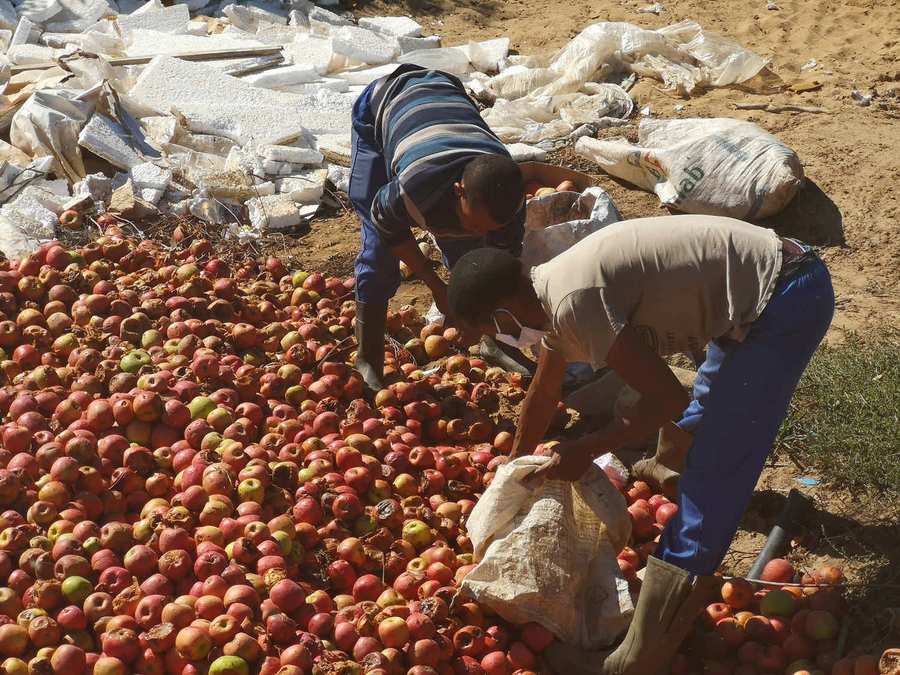
We work across the agricultural system — from soil health and production methods to market access and value chain participation. Our focus is on practical, achievable improvements that strengthen food security.
Livelihoods
We design programmes that build skills, agency, and confidence. Our work prioritises realistic gains in household food security, employability, and community resilience.
Environment
We integrate land stewardship, resource efficiency, and ecological awareness into all our programmes. Long-term food security depends on the sustainability of the systems that produce it.
Grey Heron Innovations is an agricultural development and rural livelihoods consultancy based in the Western Cape and working within the wider SADC region. We work with public institutions, non-profits, and community organisations to design and implement programmes that strengthen agricultural systems, expand economic participation, and support rural communities.
Our work spans agriculture, livelihoods, and environmental stewardship — with a strong operational capability in public employment programme delivery where these systems intersect.
GHI operates through a flexible consultancy model, drawing on a network of experienced associates when projects require additional technical or operational capacity. This allows us to assemble fit-for-purpose teams without carrying overhead that inflates programme costs — keeping resources directed where they belong: in communities.
Leadership
Grey Heron Innovations is led by Malcolm Abrahams, a development practitioner with more than 25 years of experience in agricultural development, public employment programmes, and education and training. His work spans programme design, operational management, agricultural training, curriculum development, and rural livelihoods support.
This breadth of experience — across development institutions, non-profits, and agricultural enterprises — informs GHI’s approach to programme design and delivery: practical, accountable, and grounded in the realities of rural South Africa. GHI works confidently at the intersection of agriculture, livelihoods, and environmental stewardship, always with a focus on integrity, transparency, and respect for the communities we serve.
Our Operating Principles
GHI’s work is guided by three non-negotiable principles:
Integrity
We are honest with funders, partners, and participants about what is possible, what is required, and what can be delivered within the constraints of rural South Africa’s structural realities.
Transparency
We report clearly, cost openly, and document our work in a way that is defensible to oversight bodies, auditors, and programme stakeholders.
Accountability
We take responsibility for the commitments we make. Our systems, reporting, and operational processes are designed to ensure that programme delivery is traceable, compliant, and verifiable.
These principles shape every engagement, from programme design to field implementation.
Our Approach
Transformation must be lived, not declared
GHI’s work begins with a simple premise: meaningful change in rural South Africa cannot be achieved through statements of intent alone. It must be built through daily practice, practical systems, and programmes that respect the realities of the communities they serve.
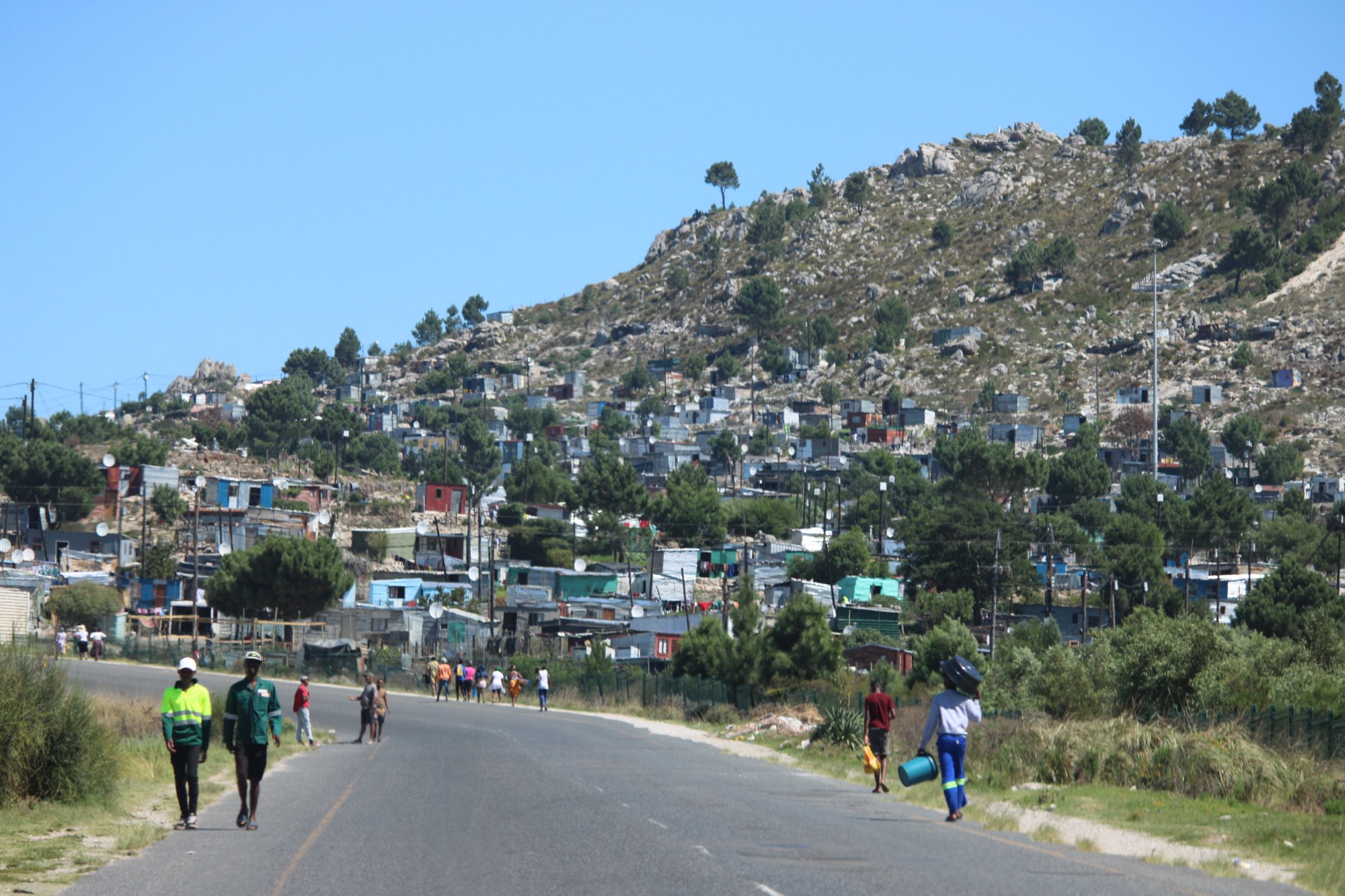
Rural South Africa sits at the intersection of deep structural inheritances — unequal land ownership, fragmented local economies, and generations of exclusion from meaningful participation. These are not abstract policy problems. They shape the daily lives, opportunities, and futures of the people who live in these landscapes.
Development is fundamentally human
We understand rural development as the expansion of people’s capabilities, choices, and agency. This means designing programmes that shift power rather than simply deliver services, build local capability rather than dependency, and strengthen rural systems rather than bypass them.
Economic participation, in our view, is not only about income. It is about belonging, having a recognised role, and contributing to a shared project. In many rural communities, exclusion from economic life becomes exclusion from social life. Our programmes aim to reverse this dynamic by creating opportunities for meaningful contribution, visibility, and dignity.
Agriculture, livelihoods, and environment are inseparable
GHI’s approach is shaped by the understanding that agriculture, livelihoods, and environmental stewardship are interconnected. Long-term food security depends on the sustainability of the systems that produce it. Livelihoods depend on the health of land, water, and local ecosystems. And agricultural development must take seriously the historical and structural conditions that shape who participates — and who does not.
Our work therefore integrates practical agricultural skills, household and community-level livelihood strategies, and responsible land and resource management. This systems perspective guides how we design, implement, and evaluate programmes.
A design logic grounded in accountability
Empowerment, for GHI, is not rhetoric. It is a design logic. Every programme we design is tested against a set of questions: Who holds decision-making power? Who benefits? Whose capabilities are expanded? Whose voice shapes the programme? What remains in the community when we step back?
These questions ensure that our work remains grounded, honest, and accountable — not only to funders and oversight bodies, but to the people whose lives and livelihoods are directly affected.
Our Consultancy Model
GHI operates as a specialist consultancy with a flexible delivery model. We draw on a network of experienced associates when projects require additional technical or operational capacity. This allows us to assemble fit-for-purpose teams, avoid unnecessary overhead, keep resources directed to communities, and remain responsive in complex, multi-site programme environments.
This model is particularly effective in rural contexts where conditions vary and adaptability matters.
Pricing Philosophy
GHI follows a transparent, standardised rate structure aligned with public-sector norms. Our costing is based on clearly defined inputs — scope, expertise, duration, and operational requirements — and every engagement begins with a full, upfront costing.
Our rates are consistent across clients and are never adjusted according to funder size or urgency. This ensures fairness, predictability, and accountability.
Programme Delivery
GHI typically works as a technical implementation partner within larger programme structures. Our role encompasses programme design and budgeting, operational systems and compliance, recruitment and training delivery, procurement and financial administration, monitoring, evaluation and reporting, and site management and partner coordination.
We bring particular strength in monitoring and evaluation, ensuring that programme outcomes are rigorously documented, honestly assessed, and defensible to funders and oversight bodies.
Discover how GHI’s approach translates into programme delivery
Grey Heron Innovations works across agriculture, livelihoods, and environmental stewardship to support sustainable development and meaningful economic participation in rural communities.
Agricultural Programme Development
Agriculture sits at the centre of rural livelihoods. GHI designs and supports agricultural programmes that take South Africa’s history and structural context seriously. Our work includes:
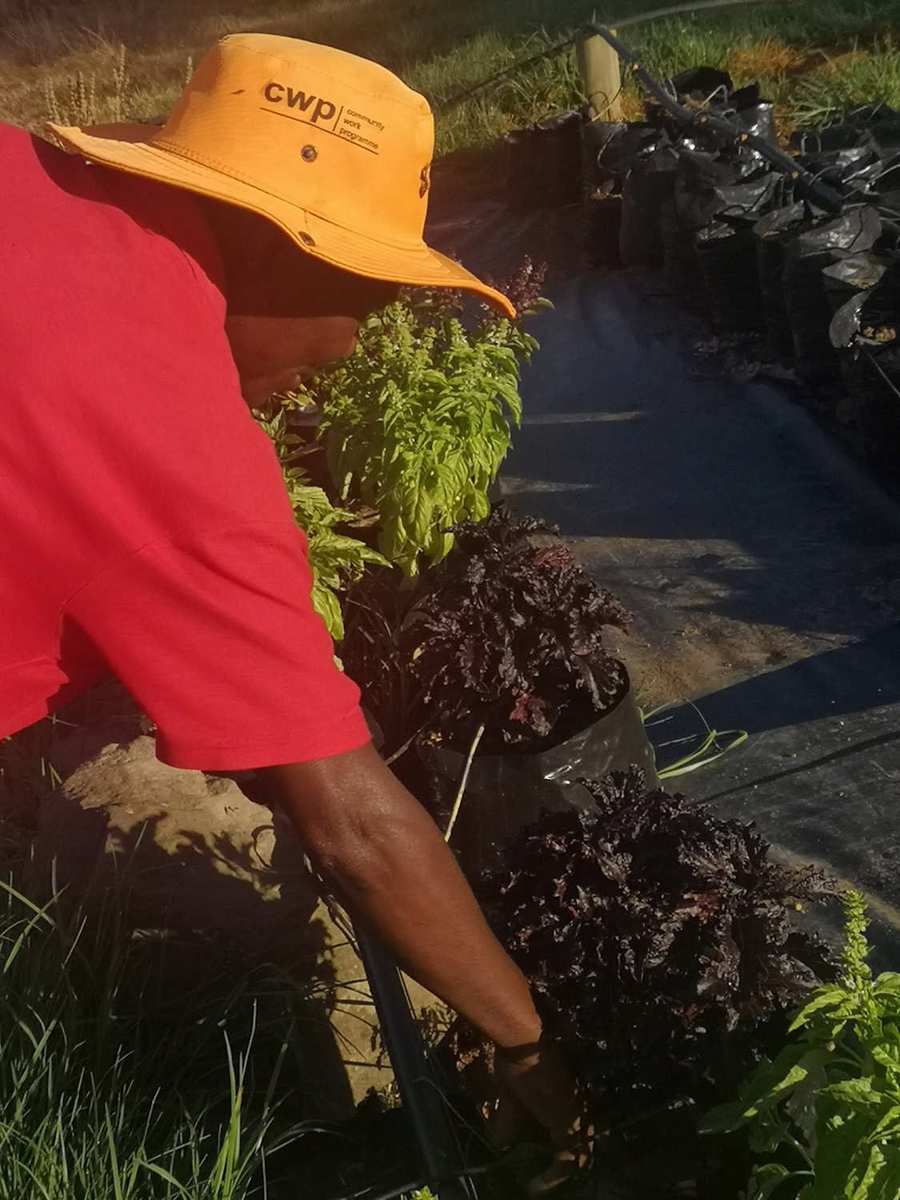
Practical production training for subsistence and emerging farmers
Support to smallholders and farmworker communities
Enterprise development and market linkage support
Nutrition-focused household and community food production
Environmentally responsible land and resource management
Our approach emphasises achievable improvements, local capability, and long-term sustainability.
Accredited Training and Curriculum Development
GHI has extensive experience in agricultural training, curriculum development, and the delivery of accredited programmes. This includes:
Development of training materials and learning resources
Delivery of accredited agricultural qualifications
Workplace-based learning and practical skills development
Alignment with the evolving QCTO occupational framework
We design training that is practical, context-appropriate, and grounded in the realities of rural learners.
Valid under national transitional arrangements. These accreditations reflect GHI’s long-standing commitment to quality assurance and sector-aligned training.
Public Employment Programme Management
GHI brings strong operational capability in the design and management of public employment programmes. Our experience spans the full programme cycle:
Design and budgeting
Participant recruitment and support
Training delivery and skills development
Procurement and financial administration
Compliance reporting and audit readiness
Monitoring, evaluation and performance tracking
We ensure that public employment programmes are well-run, transparent, and defensible.
Monitoring, Evaluation, and Reporting
Credible programme outcomes depend on rigorous, honest measurement. GHI provides:
Baseline assessments
Implementation tracking
Impact evaluations
Compliance and performance reporting
Data systems and verification processes
We treat M&E not as a compliance requirement, but as a tool for programme improvement and accountability.
Consulting and Advisory Services
GHI supports organisations working in agricultural development, rural livelihoods, and community empowerment with:
Programme design and strategic advisory
Organisational strengthening and governance support
Agricultural transformation and empowerment guidance
Technical support for multi-stakeholder partnerships
Alignment with funder requirements and policy frameworks
Accreditation & Quality Assurance
QCTO Accreditation
Grey Heron Innovations (Gorach CC) is accredited by the Quality Council for Trades and Occupations (QCTO) as a Skills Development Provider for occupational qualifications in the agriculture sector.
Grey Heron Innovations maintains accreditation with the Services SETA, ETDP SETA, and AgriSETA for a range of pre-2009 legacy qualifications. These accreditations remain valid under national transitional arrangements.
Quality Assurance Commitment
GHI maintains rigorous internal quality management and compliance with QCTO and SETA quality assurance requirements. Our approach includes transparent learner administration and reporting, alignment with national policy frameworks, and training delivery grounded in rural-context realities. Quality assurance is not a compliance exercise for GHI — it is integral to how we design, deliver, and account for our training work.
Statutory Compliance
Grey Heron Innovations (trading as Gorach CC) is fully registered and compliant with South African statutory requirements, including CIPC registration, SARS registration for Income Tax, registration on the National Treasury Central Supplier Database, and Level 1 B-BBEE Contributor status.
Full compliance documentation and registration details are available on request.
South Africa’s development landscape is crowded with consultancies, NGOs, and service providers. Many produce plans. Fewer deliver programmes. Fewer still remain accountable for outcomes after the funding period ends. GHI exists because the gap between design and delivery — between what is promised and what is verified — remains one of the sector’s most persistent failures.
1,108
Participants individually verified (SEF 4)
2,600
Programme placements (SEF Round 1)
350–720km
Operational radius from Cape Town
60%+
Unemployment rate in target communities
We do the work
GHI is not a consultancy that advises from a distance. We design programmes and then manage them — recruitment, training, procurement, payments, compliance, reporting, evaluation. We are in the field, in the spreadsheets, and in the community meetings. When something goes wrong, we are the ones who fix it. This is unusual. Most technical partners provide frameworks and leave implementation to others. GHI stays through the full cycle, from design through to close-out and audit.
We verify what we claim
Every figure GHI reports is traceable to a source document, a verified participant record, or a documented observation. During SEF 4, we individually verified all 1,108 participant baseline records before programme launch — not because we were required to, but because accurate data is the foundation of honest reporting. Our impact evaluations are built on evidence, not extrapolation.
We understand the terrain
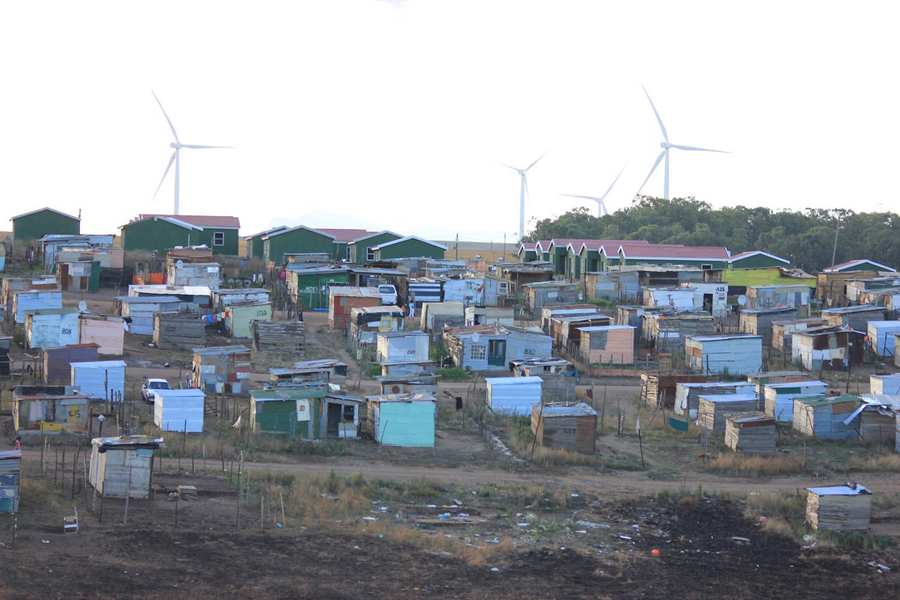
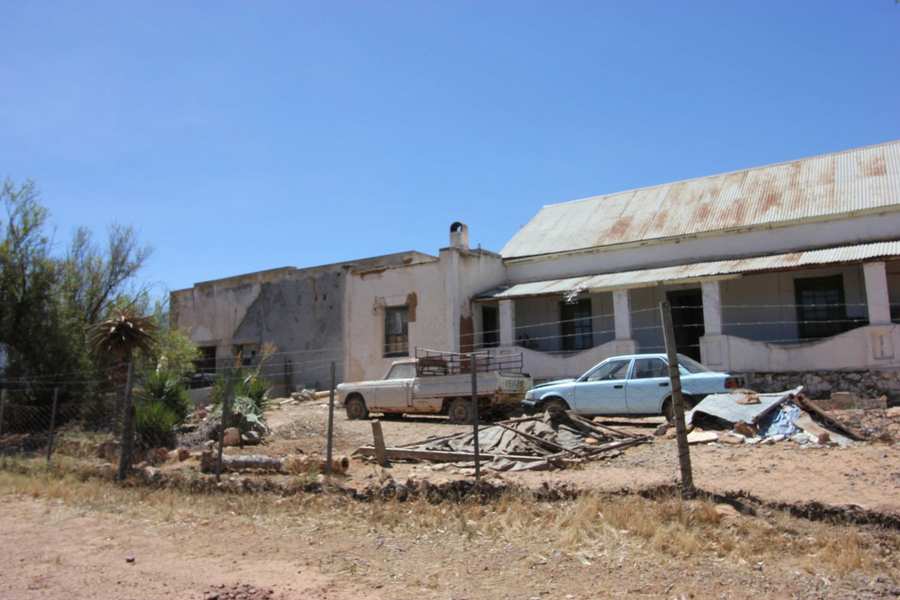
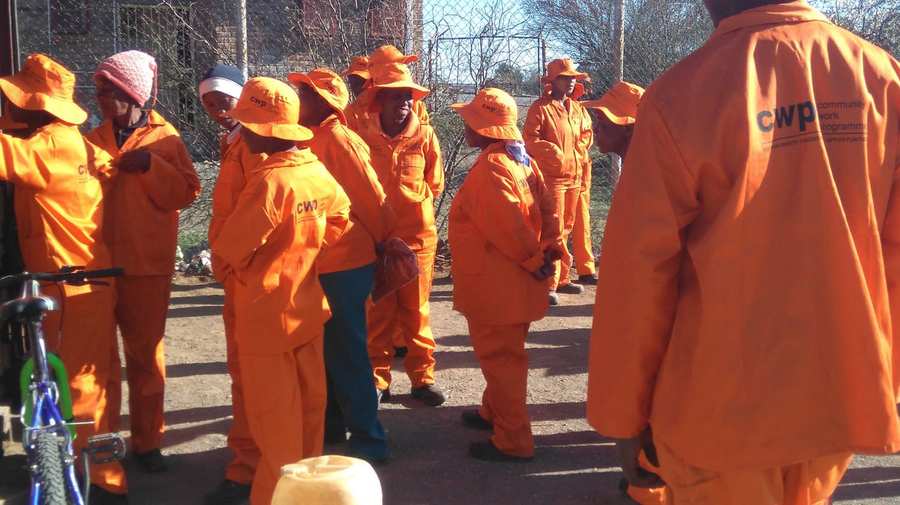
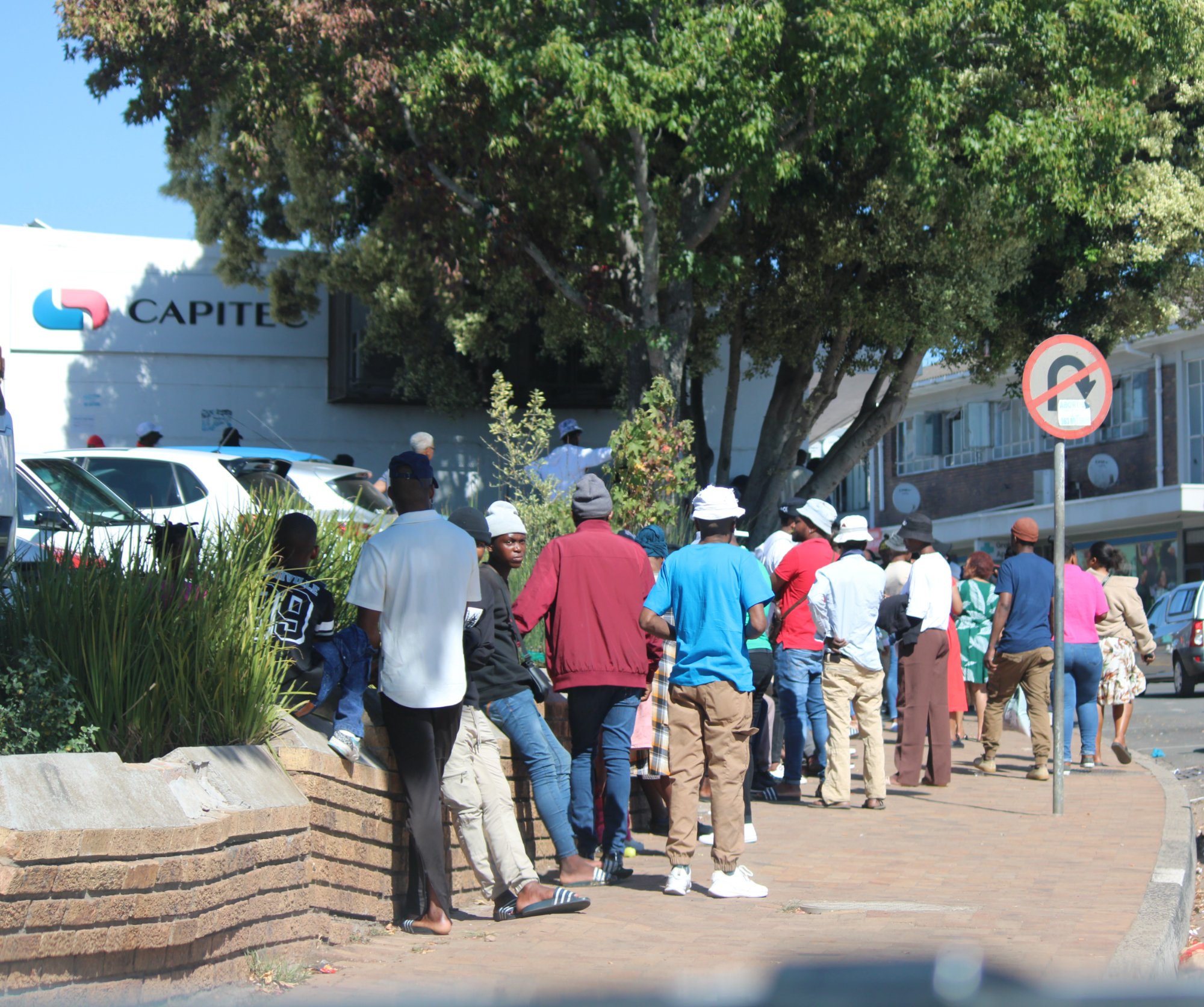
GHI works in communities 350 to 720 kilometres from Cape Town, in municipalities where unemployment exceeds 60%, where water infrastructure has deteriorated, where the nearest government office may be a day’s travel away. We do not treat these as abstract challenges. GHI’s founding director has spent over a decade working in these environments — in CWP sites, on land reform farms, in SEF localities across the Northern and Western Cape. We know what implementation looks like when the road is gravel, the connectivity is unreliable, and the nearest supplier is three hours away.
We keep costs where they belong
GHI operates as a lean consultancy with transparent, standardised costing. We do not carry overhead that inflates programme budgets. Our flexible model — assembling associate teams as projects require — means funders pay for capability, not corporate structure. Every rand we manage is accounted for, and our pricing does not shift with funder size or urgency.
We think about what stays behind
The programmes we design are tested against a simple question: what remains in the community when we step back? This is not a slogan. It is a design discipline. It shapes how we structure participant roles, how we build local capacity into programme systems, and how we approach the transition from funded programme to sustained community capability.
We bring a coherent framework
GHI’s work is anchored in a clear intellectual framework: agriculture, livelihoods, and environment are inseparable, and development is fundamentally about expanding human capability. This is not marketing language. It is the logic that drives our programme design, our monitoring frameworks, our training curricula, and our approach to participant development.
GHI is a small consultancy. We do not pretend otherwise. But our scale is a strength: it means direct accountability, senior involvement in every engagement, and no layers between the people who design the work and the people who deliver it.
Experience & Delivery
Social Employment Fund Programmes
Since 2022, GHI has served as the Technical Implementation Partner in the Goedgedacht Trust Consortium, implementing Social Employment Fund (SEF) programmes funded by the Industrial Development Corporation across the Western and Northern Cape.
GHI provides the consortium’s technical and operational backbone: programme design and budgeting, human resource management, procurement and financial administration, training delivery, and monitoring, evaluation and reporting.
The consortium has implemented four rounds of SEF programming. Participant allocations have shifted across rounds in line with the IDC’s national recalibration of allocations, not as a reflection of consortium performance: 2,600 (Round 1, increased from an initial 2,000), 1,500 (Round 2), 1,250 (Round 3), and 1,200 (Round 4).
During SEF 4, GHI completed a full baseline verification of 1,108 participants across all implementation sites. Every record was checked for accuracy and completeness before programme launch, demonstrating the level of operational discipline and M&E rigour that underpins our work.
Community Work Programme Experience
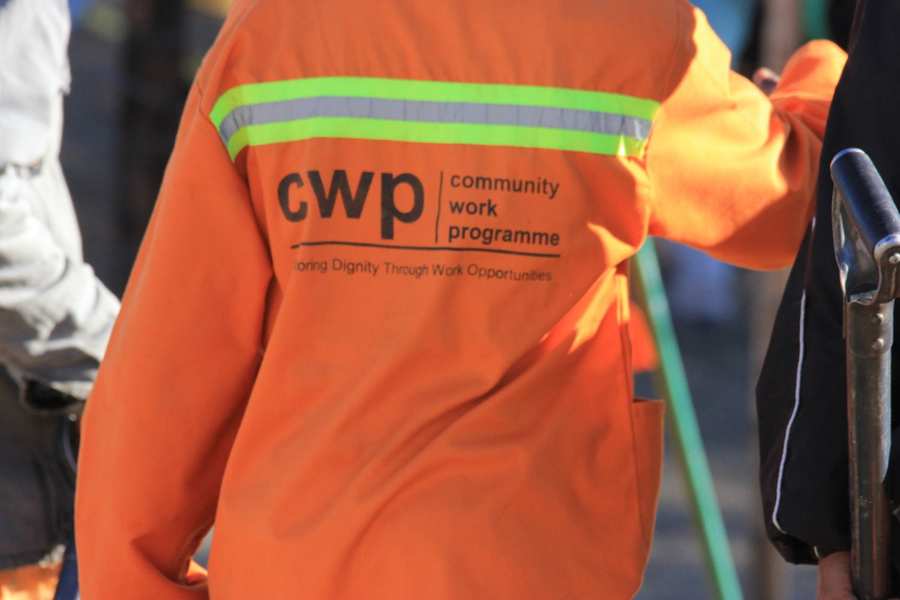
Before establishing its current focus, GHI’s founding director accumulated more than eight years of direct experience in Community Work Programme implementation, spanning training coordination and instructional design, provincial management of the full CWP implementation cycle, procurement compliance and payment verification, consolidated reporting, and multi-site cluster coordination across multiple implementing agents and funding structures.
Agricultural Leadership and Land Reform
GHI’s leadership experience in land reform governance and agricultural enterprise development informs the consultancy’s approach to agricultural transformation. This includes chairing a land reform trust established under the LRAD programme, navigating post-reform governance and commercial partnerships, supporting enterprise development in horticulture and organic production, and working with development funders on agricultural expansion. This background provides GHI with grounded insight into the opportunities and challenges facing emerging agricultural enterprises in South Africa.
What Others Say
“For the past five years, the partnership between Goedgedacht Trust and Grey Heron has been a deeply valued and important part of the successful implementation of the Social Employment Fund programme within our rural communities. What we particularly value about Grey Heron is their ability to combine professional competence with an understanding of the human realities on the ground. Over the years, Grey Heron has proven to be more than a service provider; they have become a trusted strategic partner.”
Dr Deon Snyman Managing Director, Goedgedacht Trust
“The Social Employment Fund has supported our schools, strengthened municipal services, and created much-needed work opportunities for unemployed youth in Brandvlei. We value this collaboration and the professionalism with which the programme is implemented.”
Byron Wiese Office of the Speaker, Hantam Municipality
“Grey Heron Innovations has been an invaluable partner to Impendulo. Their support strengthened our Big Land Project with essential infrastructure and consistent technical guidance, and their commitment to youth empowerment has been felt across our programmes. They don’t just resource our work — they stand alongside us in it.”
Sonwabo Lumko Chairperson and Founder, Impendulo Community & Youth Development NPO
“As gewöne deelnemer het ek by SEF Goedgedacht program begin in Februarie 2023, daarna as Timekeeper, en toe weer as Jr admin, en later as Sr Admin. Baie dankie SEF Goedgedacht vir hierdie werkgeleentheid, ervaring en ook die feit dat jul deelnemers/werkers bou tot hul volle potensiaal.”
[Translation: As an ordinary participant I joined the SEF Goedgedacht programme in February 2023, then as Timekeeper, then as Junior Admin, and later as Senior Admin. Thank you for this work opportunity, experience, and the fact that you build participants to their full potential.]
Petro J Willems Senior Administrator, SEF Garies, Kamiesberg
Partnerships
GHI’s work is built on partnerships. As a specialist consultancy operating in complex, multi-stakeholder environments, the quality of our working relationships is not incidental — it is foundational to what we deliver.
The Goedgedacht Trust Consortium
GHI’s principal current engagement is as the Technical Implementation Partner in the Goedgedacht Trust Consortium, which implements Social Employment Fund programmes funded by the Industrial Development Corporation across the Western and Northern Cape.
Goedgedacht Trust, a registered non-profit based in the Swartland, holds the formal partnership with the IDC. GHI provides the consortium’s technical backbone: programme design and budgeting, operational management, financial administration, training delivery, human resource management, and monitoring and evaluation.
The partnership is characterised by strong collegiality and mutual trust between the two principals, and by a shared commitment to building a functional, accountable programme across organisational boundaries.
Klipfontein Agricultural Trust
GHI’s connection to the Klipfontein Agricultural Trust — a land reform beneficiary established under the LRAD programme — reflects the consultancy’s grounding in the practical realities of post-reform agricultural enterprise. The Trust’s journey, including its restructuring, commercial partnerships, and experience with development funding, provides grounded insight into the opportunities and challenges facing emerging agricultural enterprises in South Africa.
Middelpos Farm
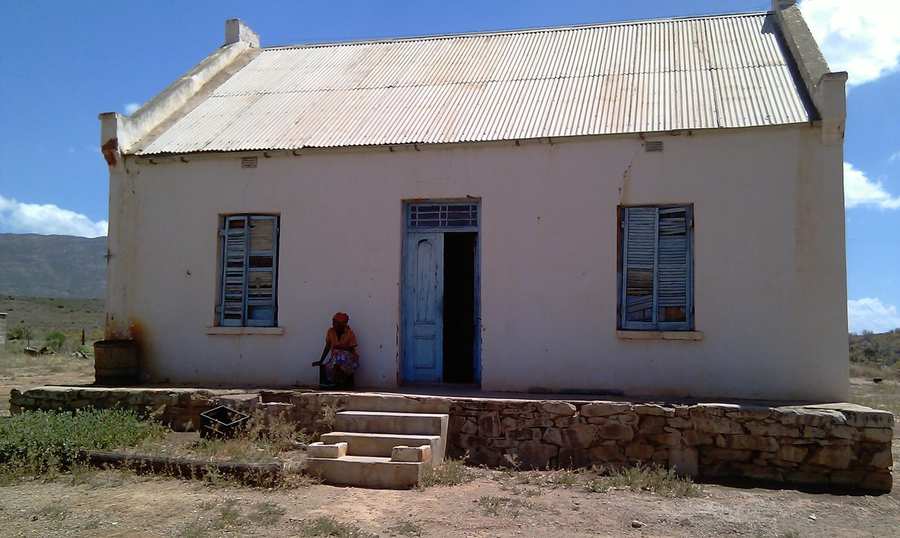
GHI has a strategic support agreement with the Middelpos Communal Property Association, a land reform beneficiary under the Proactive Land Acquisition Strategy. Middelpos faces challenges typical of many post-reform agricultural properties: deteriorated water infrastructure, historical debt, and complex internal governance dynamics.
GHI’s engagement is honest about these realities. Progress is incremental, and the obstacles are structural rather than technical. The farm currently operates as a SEF locality, with programme funding supporting farm labour and two female-run cooperatives.
Soneike Secondary School
GHI has partnered with Soneike Secondary School in Kuils River, where the school has developed a notable agricultural programme despite not being formally designated as an agricultural school. The partnership explores the potential of school-based agriculture as a development model — linking structured learning, practical production, and community engagement.
Advisory Network and Institutional Relationships
GHI supplements its core expertise through an advisory model, drawing on experienced professionals with specialist knowledge. Through its SEF and CWP programme work, GHI has established working relationships with local and district municipalities and government departments across the Western and Northern Cape. These relationships are built on consistent delivery, transparent reporting, and respect for the governance frameworks within which public programmes operate.
Explore reference materials and research that inform our work
Documents, research, and reference materials that inform GHI’s approach to rural development, public employment, and agricultural transformation.
Programme Philosophy
The Philosophical Backbone of SEF: Work as a Human Capability in a Structurally Damaged Labour Market
GHI’s articulation of the design philosophy underpinning its Social Employment Fund implementation. Drawing on Amartya Sen’s capability framework and grounded in the lived experience of unemployment in South Africa’s rural communities.
Research
Willemse, R.P. (2015). The perceived impact of unemployment on psychological well-being among unemployed young people in Worcester.
This research informs GHI’s understanding of work as structure, identity, and belonging. Based on qualitative interviews with unemployed youth in Worcester, Western Cape, the study documents what unemployment does to a person: days lose their structure, confidence erodes, social life contracts, and identity becomes uncertain.
Context
‘No Christmas to celebrate’: ANCYL says unemployed youth face hunger and despair
IOL, 25 December 2025. 55.7% of 18–35-year-olds unemployed, not in training, and not in school — a figure that speaks directly to the communities within which GHI’s programmes operate.
Agri employment reaches two-year high in late 2025
Farmer’s Weekly, February 2026. Farm jobs increased 3% year-on-year in Q4 2025 to 950,000 — evidence that agriculture is actively generating employment where other sectors are not.
SRD grant set for a ‘redesign’, falls R60 short of our list of basic food items
Daily Maverick, 5 March 2026. The SRD grant remains at R370 while the basic food basket has reached R426. A promised grant redesign aims to support livelihoods and skills development — precisely the intersection where GHI’s programmes operate.
Turning national commitment into community action to end child stunting by 2030
Daily Maverick, 3 March 2026. Following the SONA 2026 commitment to end stunting by 2030, this piece argues for community-level systems integrating health, nutrition, early learning and caregiver empowerment — an approach that resonates with GHI’s Nourish NC framework.
Women farmers don’t need charity but support to unlock Africa’s R13.2-trillion smallholder potential
Daily Maverick, 8 March 2026 (International Women’s Day / International Year of the Woman Farmer 2026). Positions Africa’s women smallholder farmers as original family-business leaders and calls for recognition, legal reform, infrastructure, and smarter finance.
How 12-hour days, bucket toilets and R27.58 are breaking female farm workers
The Citizen, March 2026. Findings from the 2025 Commission for Gender Equality report on exploitation of women farm workers in Western Cape vineyards and Free State/Gauteng dairy operations.
How microcredit has hurt the poor and destroyed informal business
Milford Bateman, The Conversation, 28 December 2015. A critique of microcredit as a poverty reduction tool, arguing that microcredit oversupplies informal microenterprises and destroys productive economic structure. Draws on South African evidence.
Time for an Agriculture Green New Deal in South Africa
Roland Ngam, Daily Maverick / Rosa-Luxemburg-Stiftung, 2021–2022. Argues for transformation that factors social, economic, and environmental dimensions of the land question. Critiques the large-scale commercial farming model and advocates a small-scale regenerative approach.
Global Justice Report: A Plan for Equality & Prosperity Within Planetary Boundaries
Chancel, Piketty, Zucman et al., World Inequality Lab, June 2026. A quantified macroeconomic roadmap modelling global convergence to shared prosperity by 2100 while remaining within planetary boundaries. Proposes progressive wealth redistribution, a shift toward sufficiency, and investment in public sectors including education, health and food systems — themes that intersect directly with GHI’s work on livelihoods, capability-building and sustainable agriculture.
23% of South Africa’s children suffer from severe hunger: we tested some solutions
Leila Patel, Matshidiso Sello & Sadiyya Haffejee, Centre for Social Development in Africa, University of Johannesburg, 2024–2025. Drawing on UNICEF data showing 23% of South African children experience severe food poverty, the study documents tested community-level interventions combining cash transfers with care and family strengthening — evidence directly relevant to GHI’s Nourish NC programme design.
The State of Household Food Insecurity in South Africa 2026
FoodForward SA & UCT’s Southern Africa Labour and Development Research Unit (SALDRU), 2026. Documents the sharp rise in food and nutrition insecurity over five years: from 14.25 million food-insecure people in 2019 to 17.8 million in 2023, driven by escalating living costs, food prices and unemployment. Households with children, youth-headed households and those reliant on informal employment are worst affected.
Competition Commission of South Africa, September 2025 (first edition) and April 2026 (second edition). Tracks price pressures on essential goods and services: electricity up 85%, water up 68%, primary education up 37% and secondary education up 42% since 2020 — all outpacing headline inflation of 30%. Documents ‘rocket and feather’ pricing in staple foods where retail prices rise quickly with costs but fall slowly when costs decline.
Africa’s first water fund: smallholder farmers protecting the Tana River watershed
The Guardian, March 2026. Reports on the Upper Tana-Nairobi Water Fund, a public-private partnership in Kenya that has reached over 260,000 smallholder farmers through agroforestry, terracing and riparian protection. A practical case study in how upstream agricultural investment protects water systems, generates rural livelihoods and serves downstream urban populations — the kind of systems-level thinking that informs GHI’s integrated approach.
Is the Just Transition slipping away? Power imbalances shaping SA’s energy future
Daily Maverick, 25 March 2026. Examines how power asymmetries in South Africa’s energy transition risk sidelining the communities and workers who should be at its centre. Relevant to GHI’s understanding that structural transitions — in energy, agriculture or land — must be shaped by the people they affect, not imposed from above.
GHI is developing a series of short working papers exploring themes central to our practice: the relationship between agriculture, livelihoods, and environmental stewardship; the role of public employment in rural development; capability-building as a design logic. These will be published here as they are completed.
Tools and Templates
Over time, GHI will make selected tools and templates available for partners and practitioners, including programme design frameworks, monitoring and evaluation instruments, training and curriculum development resources, and practical guides for rural implementation.
For enquiries about GHI’s services, programme partnerships, or potential collaboration, we welcome your message.
Whether you are exploring a new programme, seeking a technical implementation partner, or looking for specialist consulting support, we would be glad to hear from you.